
Reviewed · CHIANG MAI COOKING CLASSES
Thai and Akha Cooking Class in Chiang Mai
Akha cooking gives this class a welcome twist: alongside Thai staples, you prepare dishes such as Akha salad, Akha soup, and sapi thuong, a tomato dipping sauce. The menu can stretch to around ten dishes, so this is not a quick demonstration. You do the cooking, then sit down to eat it.
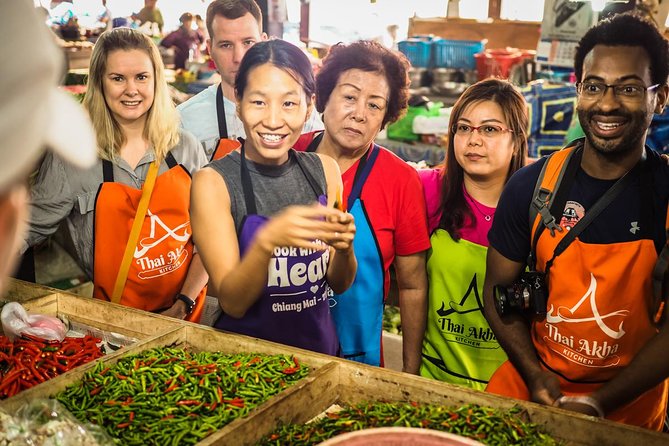
I like two things in particular: the morning market visit, which puts ingredients in context, and the small group limit of 12, which leaves room for hands-on instruction. One thing to weigh is the six-hour duration. There is a lot of food and activity, so plan around a long, filling day.
- Akha recipes share the menu with Thai dishes, including a tomato dipping sauce called sapi thuong.
- Morning sessions visit a local market to shop for ingredients and encounter everyday food culture.
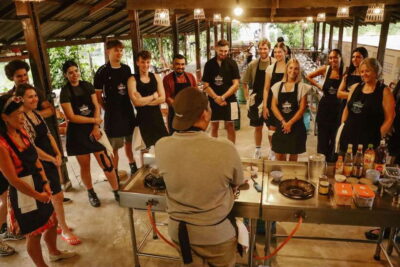
- You cook at an individual station, with an instructor guiding the small group.
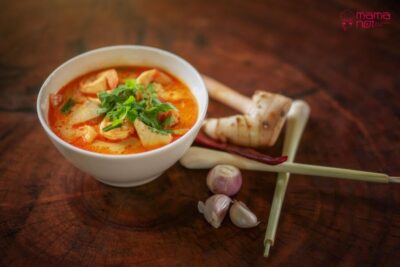
- The meal is the food you make, from appetizers and soup to curry and desserts.
- A full-color recipe book and Akha Hill Tribe coffee are included.
- Hotel transfers cover central Chiang Mai within 3 km of the city area.
A cooking class that goes beyond the usual Thai menu
This is a half-day cooking school with a generous menu and a focus on both Thai and Akha food. You prepare several courses yourself, then eat what you have made. That hands-on format makes the class useful for more than just a pleasant meal: you leave with recipes and practical instruction to try again at home.
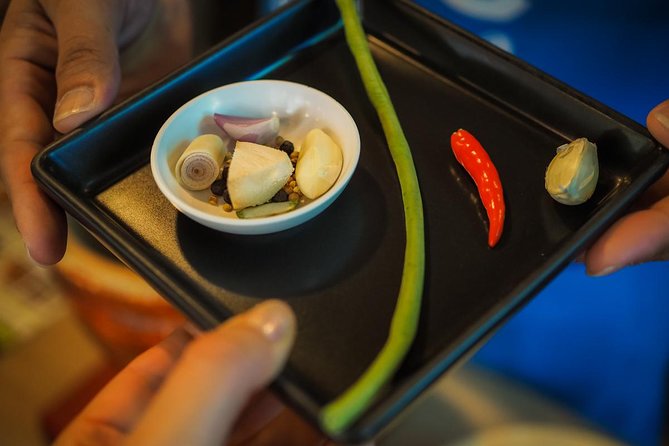
The Akha element gives the experience its particular character. The Akha are a hill tribe community, and the class introduces their cooking through dishes such as Akha salad, Akha soup, and sapi thuong. You also learn about ingredients associated with Akha food, rather than spending the whole session on familiar Thai restaurant favorites.
The school keeps the group to a maximum of 12 and gives each participant an individual cooking station. That matters when several dishes are underway at once. Instructors can check your work and offer pointers, while you have space to chop, mix, and cook at your own pace.
Morning market or afternoon kitchen
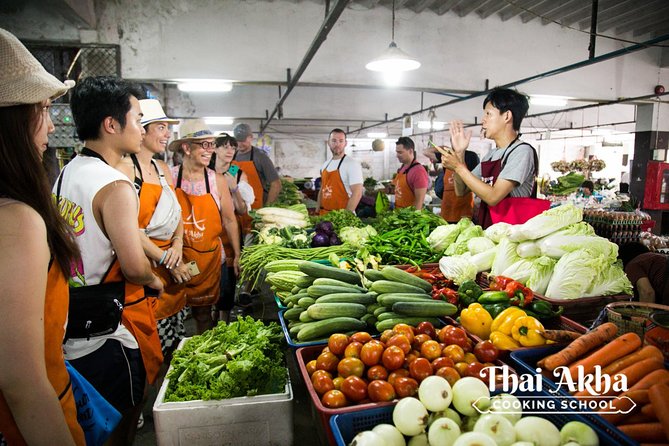
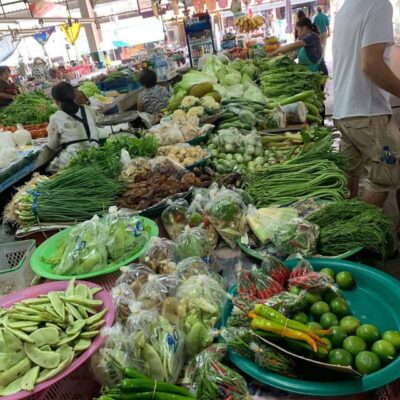
Both sessions begin with pickup from a central Chiang Mai hotel, within the stated 3 km service area. The morning session adds a visit to a local market, where the group shops for fresh ingredients used in class. You can see and smell the produce, herbs, and other food before they appear in a recipe, and the visit offers a glimpse of local daily life.
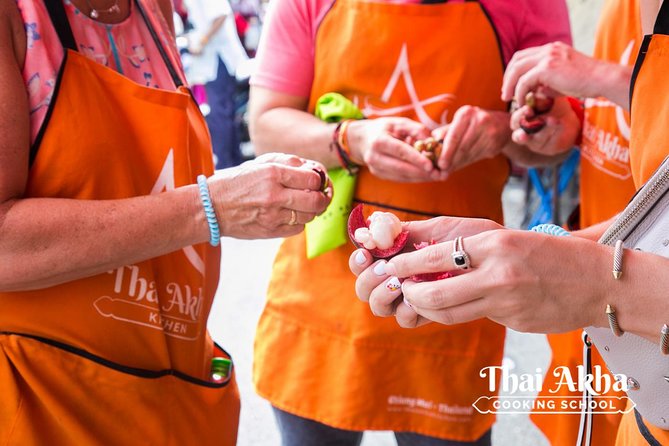
Market visits are especially useful if you are unfamiliar with Thai ingredients. You can connect what you see at the stalls with what you will prepare later, and some classes include chances to sample local foods. The market tour is only part of the morning option, so choose that session if ingredient shopping is a priority.
The afternoon class skips the market and goes straight to cooking. That may suit you better if you have already explored Chiang Mai’s food markets, or if you prefer to spend the available time at the stove. The core cooking experience is still part of either session.
Pickup is not available everywhere in the city. It is limited to hotels within 3 km of the city area, so check your accommodation’s location before booking. The listed meeting point is at 14/10 Soi Rat Chiang Saen 2 Ko., Tambon Hai Ya, and the activity ends back at the meeting point.
More cooking classes in Chiang Mai:
- Half-Day Thai Cooking Class at Organic Farm in Chiang Mai
★ 5.0 · 19,087 reviews - Chiang Mai: Cooking Class, Market & Thai Herbs Garden Tour
★ 4.9 · 4,824 reviews - Chiang Mai: Authentic Cooking Class with Market & Farm Visit
★ 4.9 · 4,546 reviews
Cooking Thai favorites and Akha specialties
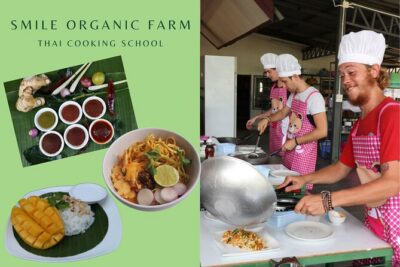
Once at the school, you work through a broad menu with guidance from your instructor. The planned spread includes two appetizers, a soup, curry paste and curry, two desserts, and several Akha-style dishes. The total can reach around nine or more dishes, though the number and selection may vary.
You will not necessarily cook every dish entirely on your own. The class moves through multiple recipes, with instructors keeping the group organized and giving step-by-step direction. Some dishes are shared or prepared as part of the group’s meal, while participants may choose among options for courses such as soup, curry, or stir-fry.
That choice is helpful if you have a particular dish in mind or want to explore a new one. It also means you can get a sense of how different ingredients and preparations fit into Thai cooking without turning the class into a rigid set of identical assignments.
A useful part of the instruction is learning how to adapt recipes at home. Instructors have suggested substitutions such as cucumber for green papaya, making the recipes more practical if you cannot find every ingredient after returning home. Expect tips on technique as well as a list of ingredients: the point is to understand how to get a dish right, not simply follow a recipe line by line.
The school’s instructors have included On, Niti, Jasmine, Rita, and Ano. Names and teachers may vary by class, but the teaching style described for the school is clear and lively, with humor built into the instruction. That can make a long session feel social rather than like a formal cooking lecture.
A bright, clean kitchen with room to work
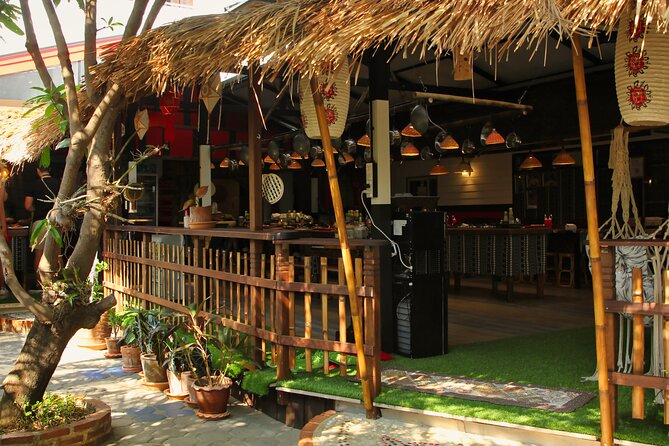
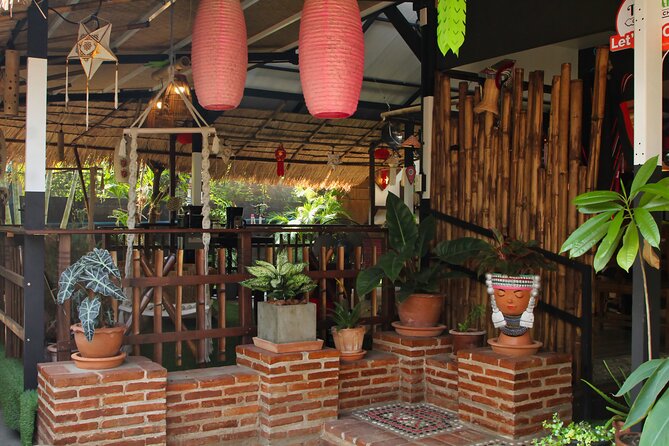
The cooking space is described as bright, well laid out, and carefully stocked. Each person has an individual station, and the setup is meant to keep tools and ingredients close without crowding the work area. Cleanliness is a practical plus when you are handling fresh ingredients and preparing several dishes.
The organization matters because the class has a lot to get through. Multiple recipes may be underway at once, and good pacing helps you stay engaged rather than waiting around. Instructors circulate and help keep the group on task, so you can ask for guidance when a step is unclear.
With a maximum of 12, the group is small enough to feel personal but not necessarily private. If fewer people book a particular session, the class may feel more like one-on-one instruction; that is not something to count on when making plans.
Families can take part, and the class has worked well for school-age children and teenagers. The session is still long, with multiple recipes and a full meal, so consider whether everyone in your group will enjoy several hours of active cooking.
Eat what you make, and take the recipes home
The meal is a major part of the value. After the cooking, you sit down to eat the dishes prepared during the session, which can add up to a very substantial lunch or dinner. Go hungry. A full breakfast beforehand may leave you with less room to enjoy the results.
Coffee is included, specifically Akha Hill Tribe coffee. Alcoholic drinks are not included, though they are available to purchase. If you do not drink alcohol, there is no need to budget for a drink to complete the meal.
Before leaving, you receive a full-color cookbook with recipes from the session. It gives the class a useful afterlife: you can use it to revisit the dishes and practice at home. The cookbook is a practical souvenir, especially for anyone who wants to bring home more than food photos.
More hands-on workshops in Chiang Mai:
- Chiang Mai: Cooking Class with Market and Pickup
★ 4.9 · 1,365 reviews - Chiang Mai: Cooking Class with Organic Farm at Mama Noi
★ 4.9 · 1,151 reviews - Chiang Mai: Evening Cooking Class and Local Market Visit
★ 4.9 · 648 reviews - Cooking Class with Organic Farm in Chiang Mai at Mama Noi
★ 5.0 · 502 reviews
Is $42 good value for six hours?
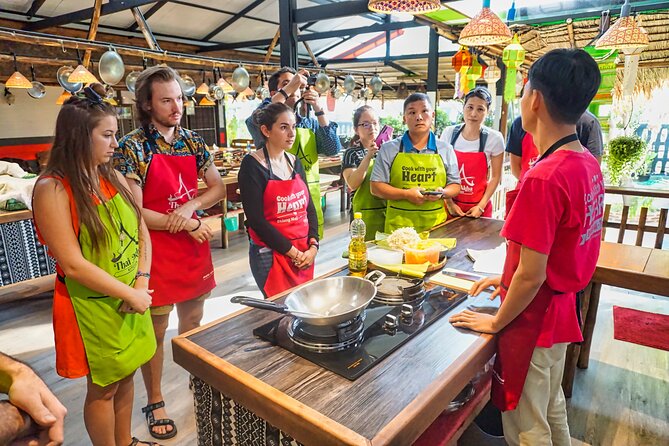
At $42 per person, the price covers a substantial block of instruction, an individual cooking station, the morning market tour if you choose that session, Akha coffee, a cookbook, and hotel pickup and drop-off within the stated central area. You also prepare and eat multiple dishes. For a cooking class that lasts about six hours, that is a strong package.
The value depends partly on what you want from a food activity. If you only want a quick introduction to Thai cuisine, this may be longer and more involved than necessary. If you enjoy cooking, want to learn about Akha food, or like the idea of turning a class into a full meal, the time and variety make the cost easier to justify.
The market visit adds value in the morning, but it is not included in the afternoon session. Choose based on your interests, not just the hope of getting more for the same price. The afternoon still includes the class, meal, coffee, cookbook, and eligible transfers.
Who should book this Chiang Mai class
I would put this class high on the list for anyone who enjoys food and wants an active way to spend part of a day in Chiang Mai. It suits curious cooks, couples, families with older children, and solo participants who like meeting people around a shared table. The small group size and individual stations make it more hands-on than a demonstration.
It is also a good fit if you have already eaten plenty of Thai food but want to encounter Akha dishes and ingredients. The morning option is the better choice if you want a market visit and a closer look at what goes into the recipes. Choose the afternoon session if the kitchen is the main draw.
Think twice if your schedule is tight or you do not enjoy cooking for several hours. Six hours is a meaningful commitment, and the meal is large. Also confirm your hotel falls within the 3 km pickup area, or plan to reach the meeting point yourself.
Should you book it?
Book this class if you want more than a meal out: you will cook a wide range of Thai and Akha dishes, learn practical techniques, and take home a recipe book. The morning market visit is a particularly good reason to choose the early session. If a long, food-heavy day sounds like work rather than fun, pick a shorter activity instead.
FAQ
How long is the Thai and Akha cooking class?
The class lasts approximately six hours.
Is the local market visit included in every session?
No. The market tour is included only with the morning class. The afternoon session goes directly to the cooking class.
How many people can join the class?
The maximum group size is 12 travelers.
Does the class include hotel pickup and drop-off?
Yes, pickup and drop-off are included for hotels within 3 km of the city area.
Where does the activity start?
The listed meeting point is 14/10 Soi Rat Chiang Saen 2 Ko., Tambon Hai Ya, Chiang Mai. The activity ends back at the meeting point.
What kinds of dishes will I prepare?
The menu includes two appetizers, soup, curry paste and curry, two desserts, and Akha dishes such as Akha salad, Akha soup, and sapi thuong, a tomato dipping sauce.
Is food included?
Yes. You eat the dishes prepared during the class, so it is best to arrive hungry.
Are drinks included?
Akha Hill Tribe coffee is included. Alcoholic drinks are available to purchase but are not included in the price.
What is the cancellation policy?
You can cancel for a full refund at least 24 hours before the experience starts. Cancellations or changes made less than 24 hours before the start time are not accepted.
Newest tours in Chiang Mai
- 6 Days Golden Triangle Loop from Chiang Mai★ 5.0 · 8 reviews
- Walk With Monks Collecting Alms(meeting point maybe change)★ 4.9 · 8 reviews
- Workshop Making Herbal ball & herbal inhaler★ 4.3 · 3 reviews
- Zipline+Sticky waterfall+Long Neck Village Private Tour★ 5.0 · 22 reviews
- Chiang Mai Zipline White Water Rafting and Elephant Sanctuary★ 4.0 · 11 reviews
- Full Day Yoga, Meditation, and Thai Cultural Immersion in Chiang Mai★ 5.0 · 3 reviews
- 2 Hours Wow hatcha lanna package – Free transportation★ 5.0 · 31 reviews
- Trek to a Jungle Waterfall★ 5.0 · 14 reviews
Chiang Mai Cooking Classes, compared.
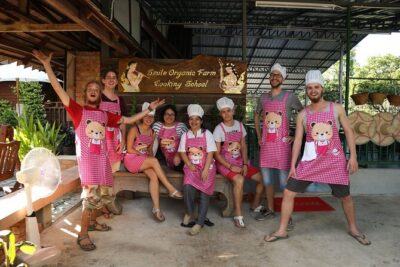
Half-Day Thai Cooking Class at Organic Farm in Chiang Mai
Read our review →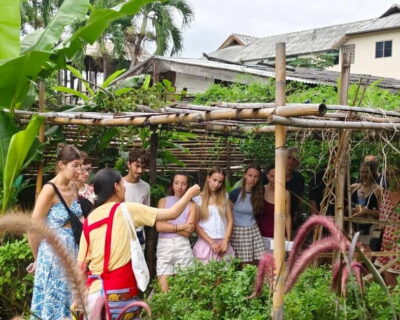
Cooking Class, Market & Thai Herbs Garden Tour
Read our review →
Authentic Cooking Class with Market & Farm Visit
Read our review →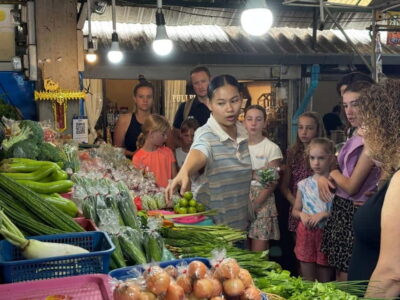
Browse the lists this tour appears in