
Reviewed · CHIANG MAI ELEPHANT SANCTUARIES
Chiang Mai | TeeTee Elephant Home Elephant Care Half-Day
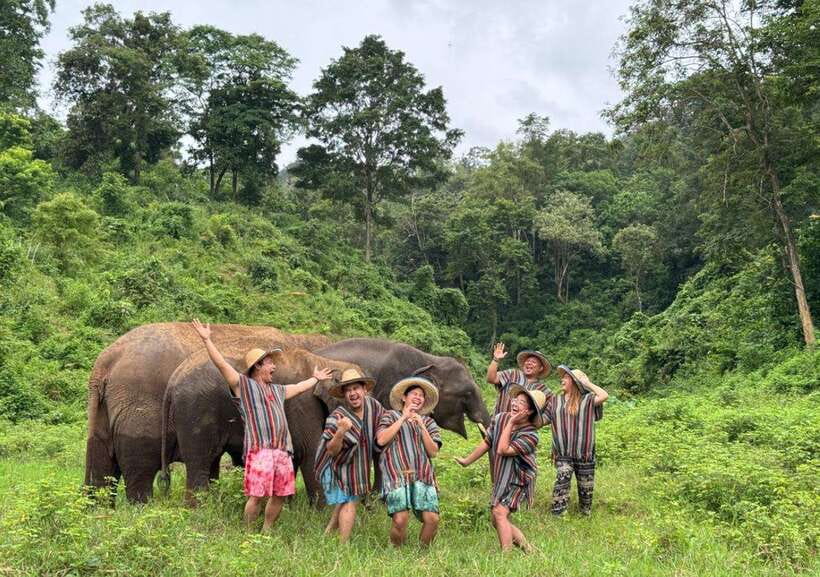
The draw here is personal contact with a small group of named elephants, from mischievous baby Nam Chok to the older females Mo Jo Ko and Lam Yai. Rather than spend the visit watching from a distance, you feed the elephants, make vitamin balls, walk with them, and help with a bath.
I like two things in particular: the chance to learn each elephant’s personality, and the small-group feel described by visitors who found the experience intimate. The setting near a river in the mountains adds a welcome sense of place, while a guide and lunch are part of the package.
There is one practical catch: the advertised 150-minute duration does not appear to match the time needed for the activities, meal, and drive from Chiang Mai. Check the schedule before booking, and leave room in your day for a longer outing.
At a glance: elephants, activities, and value

- Meet elephants by name: Baby Nam Chok, growing elephants Phu Pha and San Dee, and older females Mo Jo Ko and Lam Yai each have a role in the visit.
- Get involved in their care: Feed fruit, prepare vitamin balls, walk alongside the elephants, and help bathe them.
- Expect a small-scale encounter: The number of elephants is limited, and the group has been described as small. Exact group size is not specified.
- Plan for a drive from Chiang Mai: The trip to Kuet Chang is described as about 1 hour and 30 minutes each way.
- Lunch and useful basics are included: Expect vegetarian Pad Thai, drinking water, a towel, local clothes, and hotel pickup and drop-off.
- Check the timing carefully: The stated 150-minute duration conflicts with the longer activity and lunch timings also provided.
Getting from Chiang Mai to the elephant home
TeeTee Elephant Home is in Kuet Chang district, in Chiang Mai Province. Pickup is offered from Chiang Mai, and the drive to the home is described as taking about an hour and a half. That is a substantial part of the day, but it also gets you away from the city and into the mountain setting around the home.
The transfer is included in the $57 per-person price, along with hotel pickup and drop-off. That makes the cost easier to judge than a bare activity fee: you are paying for the ride as well as the elephant time, guide, food, and practical extras. If you are comparing options, check whether another tour includes transport and lunch before treating its lower headline price as a better deal.
The duration needs a little attention. The activity is advertised as 150 minutes, while the schedule also assigns 2.5 hours to wildlife viewing and 1.5 hours to lunch. Add the stated drive each way and those figures plainly do not fit into a 150-minute door-to-door outing. The description says the on-site activity can last two to three hours, so ask for the pickup and return times before you commit your day.
More elephant sanctuaries in Chiang Mai:
- Chiang Mai: Elephant Sanctuary, Waterfall & Bamboo Rafting
★ 4.9 · 9,160 reviews - Chiang Mai: Elephant Sanctuary & Waterfall Group Tour
★ 4.9 · 5,780 reviews - Chiang Mai: Elephant Sanctuary Feeding Program Half-Day Tour
★ 4.8 · 4,527 reviews
Meeting Nam Chok, Phu Pha, San Dee, and the older females
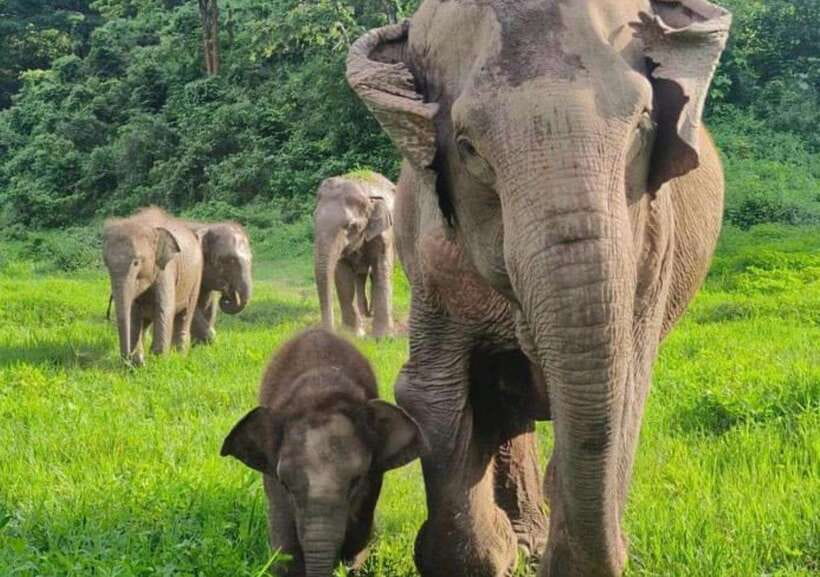
The elephants are not presented as an anonymous herd. You are introduced to baby Nam Chok, growing elephants Phu Pha and San Dee, and older females Mo Jo Ko and Lam Yai. That can make the encounter feel more attentive: you have names to remember, and you can notice how a young elephant’s needs differ from those of a mature one.
Nam Chok is described as cute and tricky, a detail that hints at the spirited side of caring for a baby elephant. Phu Pha and San Dee are growing, hungry elephants, so feeding is a central part of the visit. The older females are described as warm-hearted mothers. Those individual character sketches give the time with them a human scale without asking you to treat them as pets.
You should still approach this as a guided animal-care activity, not a guarantee that every elephant will want contact at every moment. The schedule includes feeding, walking, and bathing, but the supplied details do not explain how staff handle an elephant that wants space. Ask your guide what to do, follow instructions, and let the animals set the pace where possible.
Feeding fruit and making vitamin balls
Feeding is one of the first hands-on activities. It gives you a clear, simple way to take part, and it lets you see the elephants close up as they eat. The growing elephants are noted for their appetite, so this part may be especially entertaining if you enjoy watching how different animals behave around food.
You also get to make vitamin balls for the elephants. The activity adds a small bit of preparation to the visit, rather than making the encounter only about posing beside an animal. The available details do not specify the ingredients or explain the nutritional purpose, so treat it as a guided task and ask the staff if you want to know more about what goes into the food.
Elephant food is included, which is useful: you do not need to arrange it yourself or guess what is appropriate to feed them. Keep your hands and movements calm, and let the guide show you how to offer food safely. These are large animals, even when the one in front of you is a charming baby.
Walking and bathing with the elephants
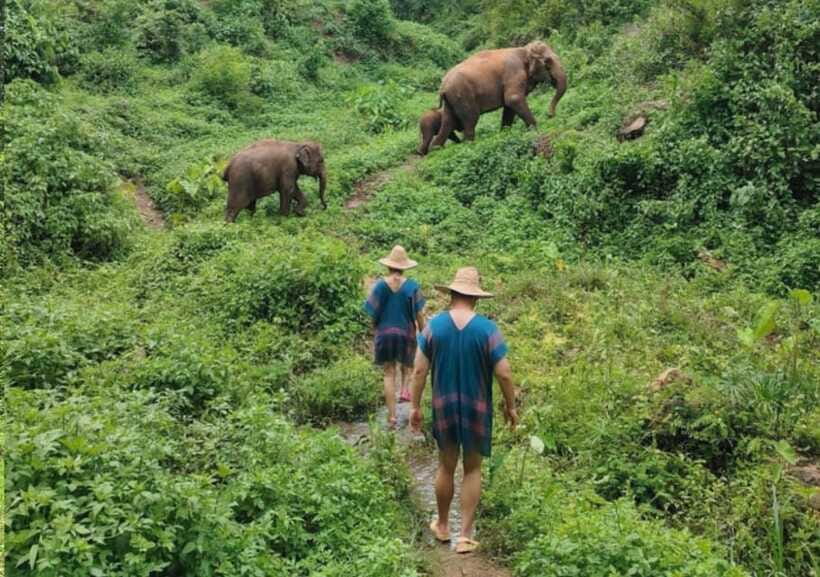
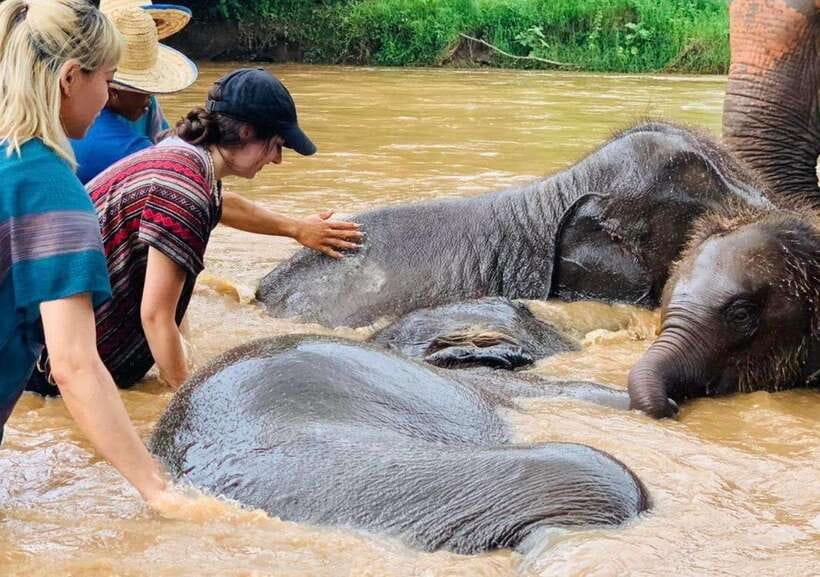
After feeding, you walk with the elephants and help shower them. These activities bring you into closer contact than a viewing-only visit, so they are likely to be the most memorable parts for someone seeking an active encounter. They also call for flexibility. Walking with animals is not the same as following a fixed museum route, and the pace may depend on the elephants and the guide.
A reviewer described the home as being beside a river in the mountains, a setting that sounds especially appealing during the bathing portion. The information provided does not specify exactly where the bath takes place or how much time you spend in the water, so do not assume a long swim or a particular bathing routine. You are told to expect a shower for the elephants, and a towel is included.
Local shirt, hat, and flip-flops are provided, along with the towel. That saves you from bringing a full change of activity clothes, though you may want to ask in advance what to wear underneath or bring for the journey back. The tour supplies drinking water, too.
More half-day trips in Chiang Mai:
- Half-Day Thai Cooking Class at Organic Farm in Chiang Mai
★ 5.0 · 19,087 reviews - Chiang Mai: HALF-DAY COOKING COURSE at a Thai Cooking Farm
★ 4.9 · 705 reviews - Half-Day Elephant Experience at Rantong
★ 5.0 · 625 reviews - Chiang Mai: Elephant Dream Project Sanctuary – Half-Day
★ 4.9 · 552 reviews
A mountain setting and a Pad Thai lunch

The home’s location near a river in the mountains gives the visit a quieter backdrop than an attraction within the city. The setting is part of the appeal, especially if you want to pair close elephant contact with time outside Chiang Mai. There is no detailed description of trails or scenery, so think of the mountain location as a welcome feature, not a promise of a long nature walk.
A vegetarian Thai lunch is included, with Pad Thai specifically named. The meal is served as part of the outing, and the stated itinerary allows 1.5 hours for lunch. That is generous compared with the 150-minute overall duration, another reason to confirm the actual schedule. If you have dietary needs beyond vegetarian food, check what can be arranged before booking.
Eating at the home also means you do not need to find a restaurant between the activity and the return transfer. The meal is a practical part of the package, not just a bonus on the side. Drinking water is included as well.
What the care details can and cannot tell you
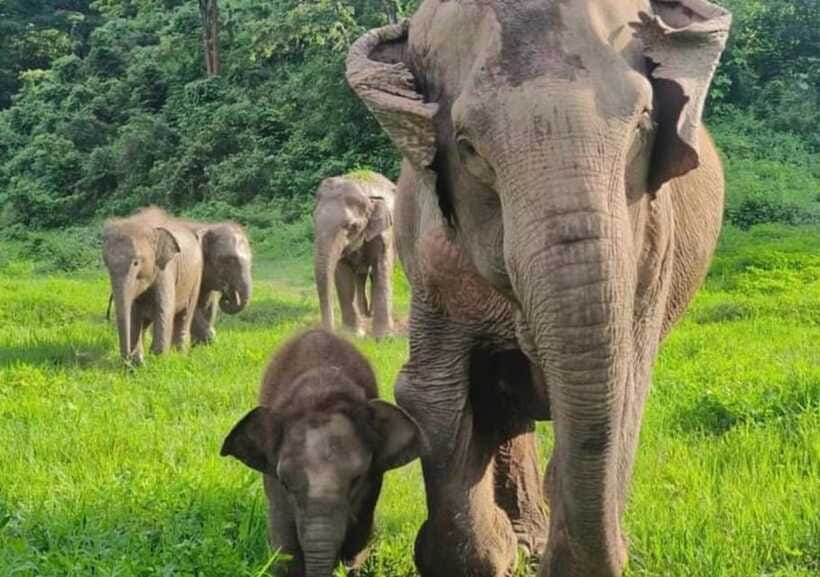
The most encouraging feature is the personal scale. A small number of elephants can make it easier to recognize individuals and pay attention to their behavior. The people caring for them have been described as kind and dedicated, and the elephants as healthy and well cared for. One account also describes them as being released each morning.
Those are positive signs, but they are not a formal welfare certification. The information here does not spell out the home’s full care standards, veterinary arrangements, or rules for interaction. If animal welfare is central to your decision, ask direct questions about the elephants’ daily routine, how contact is managed, and whether bathing or feeding is optional for them. A warm welcome matters, but good care is about more than hospitality.
The activities are quite hands-on, so your own comfort matters too. If you prefer to watch rather than touch, ask whether you can sit out any part of the visit. The supplied details do not say whether every activity is optional, and it is worth checking rather than assuming.
Is $57 a fair price?
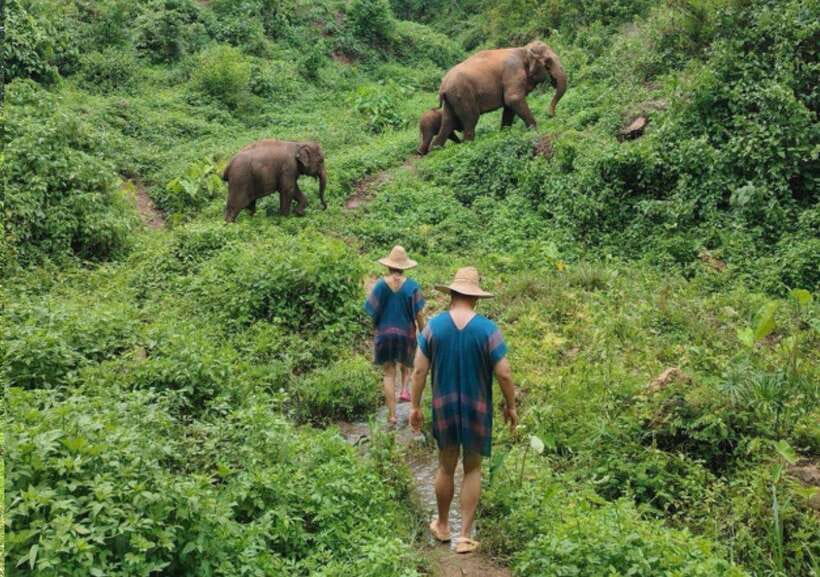
At $57 per person, this is not just a short elephant encounter. The package includes hotel transfers, food for the elephants, a local shirt, hat and flip-flops, a towel, drinking water, vegetarian lunch, insurance, and an English- or Chinese-speaking guide. If you would otherwise need to arrange transport and a meal separately, those inclusions add real value.
The strongest reason to pay for this outing is the close contact with a small group of individually named elephants. You are not only watching them from a platform: the plan includes feeding, preparing vitamin balls, walking, and bathing. That fuller program may suit you better than a brief stop where the main activity is taking a photograph.
The value depends on the actual time you get at the home. Since the listed duration and activity timings conflict, clarify how long the outing lasts from pickup to return, and how much of that time is spent with the elephants. At this price, clear timing helps you decide whether the day fits your plans.
Who should book this half-day visit?
I would put this on the shortlist if you want an active elephant encounter, appreciate a small-group setting, and are comfortable following a guide’s directions around large animals. It also suits visitors who value having transport and lunch handled in one booking. Families may find the named elephants and feeding activities engaging, but the information provided does not state a minimum age or other child-specific rules, so ask before booking with young children.
It may be less suitable if you want a very short outing, need a precise return time, or prefer to observe wildlife without direct contact. It is also worth looking elsewhere if you require detailed, independently verified welfare information before deciding. The care described sounds attentive, but the available details do not answer every welfare question.
Should you book TeeTee Elephant Home?
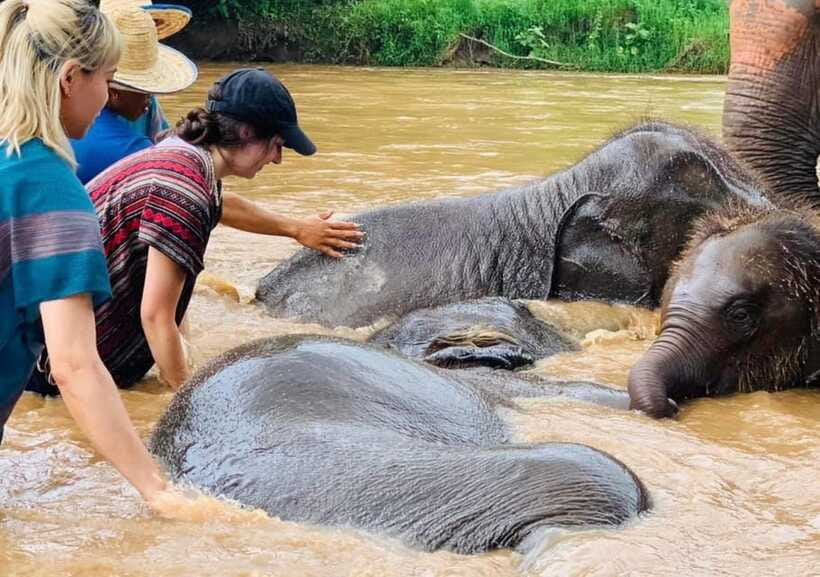
Book if the chance to spend time with a few named elephants, feed them, walk with them, and help bathe them matters more to you than a tightly timed schedule. The included transfer, guide, lunch, and basic clothing make the $57 price reasonable for a full outing, provided the day’s real duration works for you.
Before paying, confirm pickup and return times, the amount of time at the home, and how the bathing activity is handled. If those answers suit your plans, TeeTee offers a personal, hands-on visit in a mountain setting. If the timing remains unclear or you want a strictly observation-only encounter, choose a tour with details that better match your priorities.
FAQ
How long does the experience last?
The activity is advertised as 150 minutes. The on-site description says two to three hours, while the schedule also lists 2.5 hours for wildlife viewing and 1.5 hours for lunch. Confirm the full schedule, including transfers, before booking.
How far is the elephant home from Chiang Mai?
The drive from Chiang Mai to Kuet Chang district is described as about 1 hour and 30 minutes. Hotel pickup and drop-off are included.
Which elephants will I meet?
The named elephants are baby Nam Chok, growing elephants Phu Pha and San Dee, and older females Mo Jo Ko and Lam Yai.
What activities are included with the elephants?
You can feed fruit, make vitamin balls, walk with the elephants, and help shower them.
What is included in the $57 price?
The price includes hotel pickup and drop-off, elephant food, a local shirt, hat and flip-flops, a towel, vegetarian Pad Thai lunch, drinking water, insurance, and an English- or Chinese-speaking guide.
What languages does the guide speak?
The tour offers a live guide who speaks English or Chinese.
Newest tours in Chiang Mai
- Workshop Making Herbal ball & herbal inhaler★ 4.3 · 3 reviews
- 6 Days Golden Triangle Loop from Chiang Mai★ 5.0 · 8 reviews
- Walk With Monks Collecting Alms(meeting point maybe change)★ 4.9 · 8 reviews
- Zipline+Sticky waterfall+Long Neck Village Private Tour★ 5.0 · 22 reviews
- Chiang Mai Zipline White Water Rafting and Elephant Sanctuary★ 4.0 · 11 reviews
- Full Day Yoga, Meditation, and Thai Cultural Immersion in Chiang Mai★ 5.0 · 3 reviews
- 2 Hours Wow hatcha lanna package – Free transportation★ 5.0 · 31 reviews
- Trek to a Jungle Waterfall★ 5.0 · 14 reviews
Chiang Mai Elephant Sanctuaries, compared.
Elephant Sanctuary, Waterfall & Bamboo Rafting
Read our review →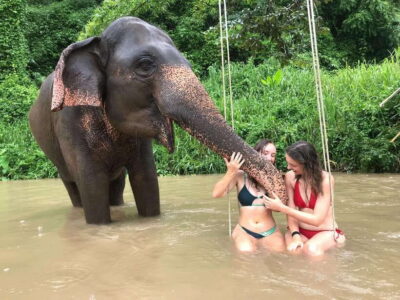
Elephant Sanctuary Feeding Program Half-Day Tour
Read our review →
Elephant Sanctuary, Long Neck & Sticky Waterfall
Read our review →

3-in-1: Doi Inthanon Tour, Elephant Sanctuary, and Trekking Trail
Read our review →
Chiang Mai Elephant Sanctuary, Bamboo Rafting and Waterfall Tour
Read our review →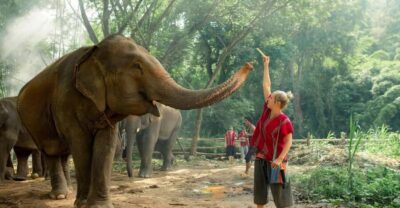
Browse the lists this tour appears in