
Reviewed · CHIANG MAI TEMPLE TOURS
Chiang Mai: Temple & City Tour Part II
Wat Chiang Mai’s temple story comes into focus on this walking tour: Wat Chiang Man dates to 1296, while Wat Pa Pao and Wat Ku Tao show Shan and Burmese influences that are easy to miss if you stick to the best-known sights. The four stops span distinct chapters of the city’s past, with time to ask about Buddhism and local life along the way.
I like two things about this route: it takes you to temples you might not find on your own, and its guides can explain how the buildings and rituals fit into everyday Buddhist practice. Guides including Katoon, Eddy, Son, and Big have shared their own perspectives, and some have been former monks.
The main thing to weigh is the walking in Chiang Mai’s heat. The tour starts at 8:20 am, but expect to be on your feet for hours, and bring water, sun protection, and comfortable shoes.
Four temples, four useful perspectives
- Wat Chiang Man dates to 1296: Chiang Mai’s oldest temple, built under King Mengrai, is linked to a crystal Buddha statue.
- Wat Chiang Yuen recalls Shan residents: This 16th-century temple sits in an area once associated with the Shan community.
- Wat Pa Pao brings Shan Burmese design into view: Its location beyond the old city walls and moats adds a different feel from the temples inside the old city.
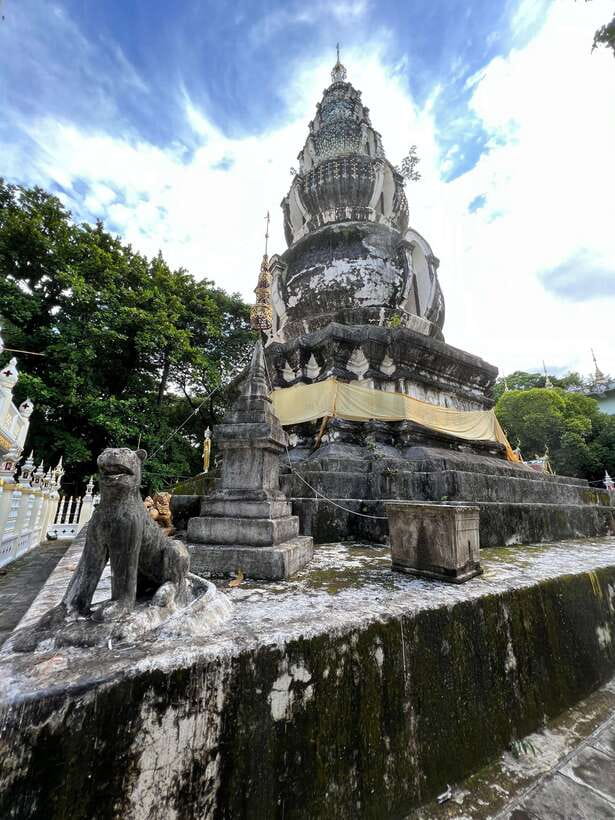
- Wat Ku Tao has an unusual chedi: The structure is thought to have been built in 1613 to hold the ashes of Prince Saravadi.
- The guide adds context, not just directions: Expect discussion of temple history, Buddhism, monk life, and basic etiquette.
- It costs $31 per person: The price includes a guide and walking tour, with hotel pickup and drop-off available only with the private option.
A walk through Chiang Mai’s older temple districts
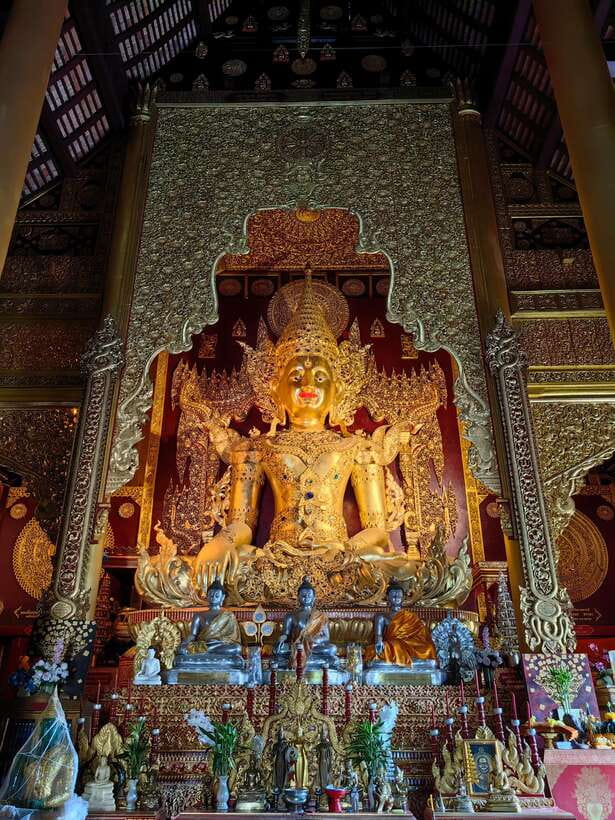
This route is less about ticking off the most famous temple names and more about seeing how Chiang Mai’s history took shape across different communities and periods. The four stops include the city’s oldest temple, a site connected with Shan residents, and two temples with Shan Burmese influence.
The walk is led by a live guide in English, Chinese, or Thai. Small groups and private options are available, so the feel of the outing may vary. Some people have taken the tour alone and still had a guided visit, but check the available option and schedule when you book.
The stated start time is 8:20 am. Although the activity is described as a one-day experience, the exact end time is not specified. One practical point is clearer: this is a walking tour, and visitors have found that the temples take hours to explore. If you book it, leave room in your day rather than planning a tight appointment right afterward.
More temple tours in Chiang Mai:
- Chiang Mai: White, Red/Black & Blue Temples Tour with Lunch
★ 4.2 · 2,017 reviews - Chiang Mai: Doi Suthep and Wat Umong Enchanting Evening Tour
★ 4.6 · 1,811 reviews - Chiang Mai: Doi Suthep, Wat Umong, and Pha Lat Sunrise Tour
★ 4.7 · 1,425 reviews
Wat Chiang Man: Chiang Mai’s oldest temple
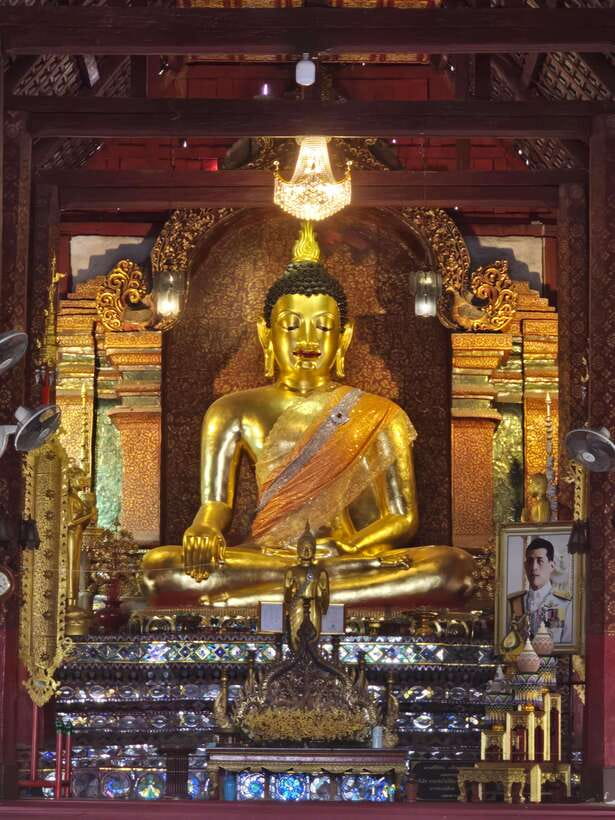
Wat Chiang Man is the natural starting point for understanding the city’s early history. Built in 1296 by King Mengrai, it is identified as Chiang Mai’s oldest temple, and the site is associated with a crystal Buddha statue.
The temple’s age gives the guide a useful starting thread: the city’s founding, its rulers, and the role of Buddhist temples in local life. Rather than simply taking photos and moving on, you can ask how the Buddha images, buildings, and customs connect to the city’s past.
A guide can also help you approach a temple respectfully. Some guides explain basic etiquette and how to pray, and may talk you through meditation. That can make a real difference if this is your first close look at Buddhist worship, or if you have visited temples before but still feel unsure about what is appropriate.
Wat Chiang Yuen: a link to Shan community life
Wat Chiang Yuen offers a different kind of context. This 16th-century temple is in an area that once served as a residential neighborhood for Shan people, so the stop helps place Chiang Mai’s religious sites within a broader story of migration and community.
That connection is a good reason to take the tour with a guide. Temple visits can blur together when you are seeing several in one day; a historical detail like this gives each place its own identity. Ask how the Shan community’s presence shaped the area and what features distinguish this temple from the others on the route.
The supplied details do not specify how long the tour spends at each stop or describe particular artworks at Wat Chiang Yuen. Go expecting a guided visit and conversation, not a scripted promise of specific objects or access.
Wat Pa Pao: Shan Burmese style beyond the old walls
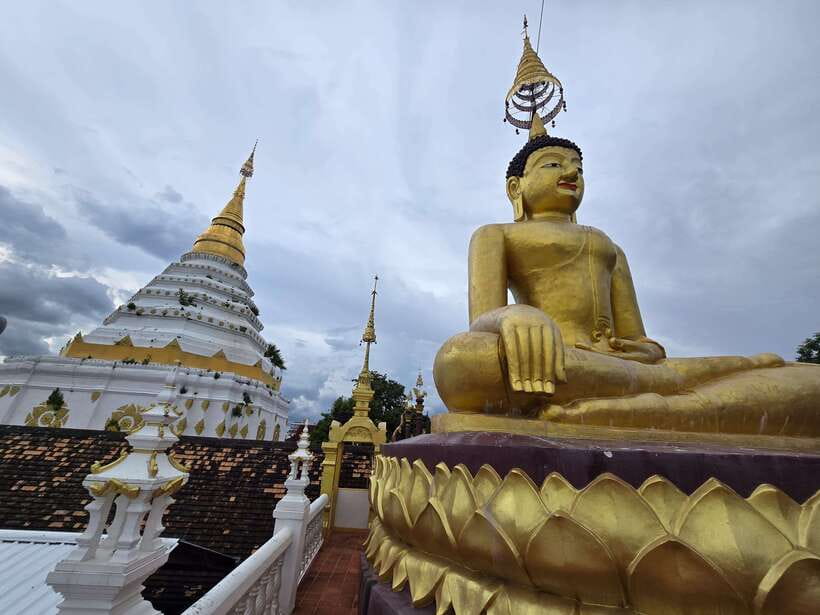
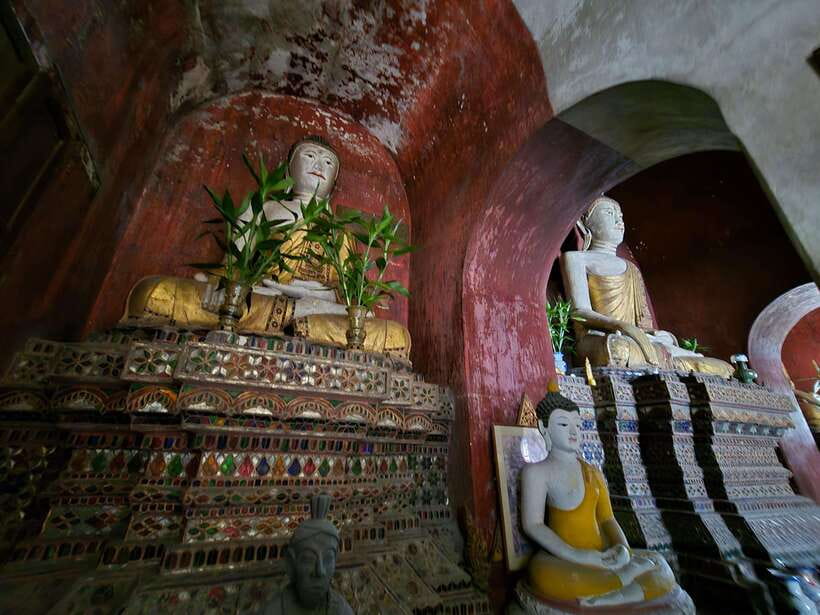
Wat Pa Pao is described as a Shan Burmese-style temple located outside Chiang Mai’s old city walls and moat. That location and architectural influence make it a useful contrast with Wat Chiang Man: you are not only looking at a religious building, but also seeing how regional cultures shaped the city’s sacred spaces.
This is one of the stops that can be harder to appreciate without some background. A guide can point out what to notice and explain how the temple fits into the route’s wider story of Shan and Burmese connections. The available information does not identify particular architectural details, so let your guide lead the interpretation rather than arriving with a checklist of features to find.
The walk itself also gives the tour a more local scale than a ride between major sights. You move through the city on foot, with the temples as anchors for a conversation about history and belief. The trade-off is physical effort: the walking can feel longer in hot weather, so water and an umbrella are sensible items to carry.
More city tours in Chiang Mai:
- Chiang Mai: 3 Hour Old City and Temples Guided Walking Tour
★ 4.6 · 1,568 reviews - Chiang Mai: Historic Temples and City Guided Walking Tour
★ 4.7 · 650 reviews - Chiang Rai Day Trip from Chiang Mai City with Golden Triangle
★ 4.5 · 531 reviews - Chiang Mai: Historic Old City Bike Tour – Morning or Night
★ 4.7 · 263 reviews
Wat Ku Tao: an unusual chedi and a royal connection
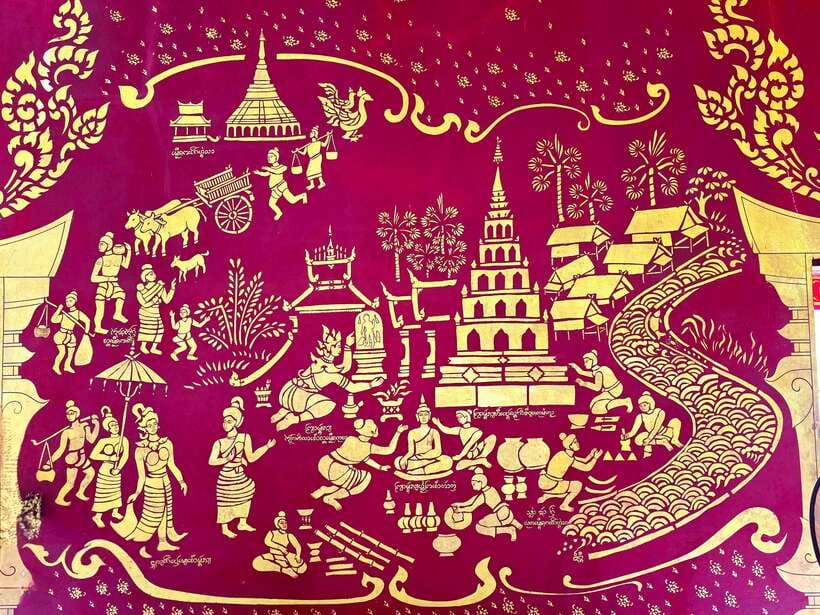
Wat Ku Tao is notable for its unusual chedi, thought to have been built in 1613 to hold the ashes of Prince Saravadi, who lived from 1578 to 1607 and was Chiang Mai’s first Burmese overlord. The monument gives the guide another opening to discuss the changing political and cultural influences that shaped the city.
The cautious wording matters: the chedi is thought to have been built for this purpose. Your guide can explain the tradition and its historical setting, but the supplied details do not establish the structure’s origins as certain fact. That mix of landmark and historical interpretation is part of what makes the stop worthwhile.
If you have already seen Chiang Mai’s central temples, Wat Ku Tao helps broaden the picture beyond the most familiar sites. It is also a good place to ask how Burmese rule, local leadership, and Buddhist practice intersected. The exact time spent here is not specified, so do not assume that every stop receives equal attention.
The guide is the key to getting more from the temples
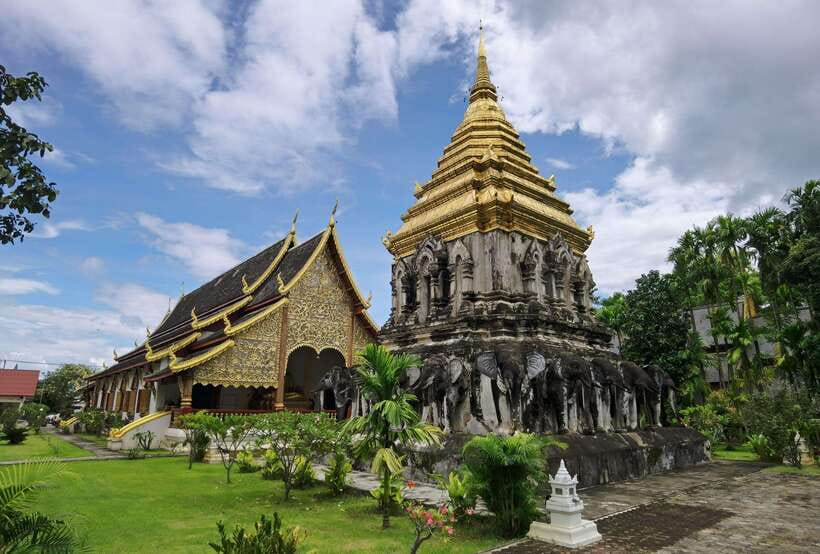
The strongest reason to choose this tour is the guide’s role. You can see temple buildings independently, but you may leave without understanding why one is associated with Shan residents, why a chedi has a particular story, or how Buddhist customs shape daily life.
Several guides have led the experience, including Katoon, also spelled Kartoon, Eddy, Son, and Big. Their backgrounds differ, but past participants have described guides who explain local history and Buddhist practice, answer questions patiently, and share personal experience. Big and Katoon, for example, have been described as former monks, with one account noting 18 years as a monk.
That experience can bring useful perspective on monk life, meditation, prayer, and the meaning of temple imagery. It is not a guarantee that every guide will have the same background or tell the same stories, so consider asking about the day’s guide if a former monk’s perspective is especially important to you.
Guides have also helped visitors take photos and, on at least one occasion, arranged a look inside a temple that was closed at the time. Treat that kind of access as an occasional extra, not a standard part of the itinerary. The core value is the guided walk and the explanations at the four listed temples.
Walking, heat, and what to bring
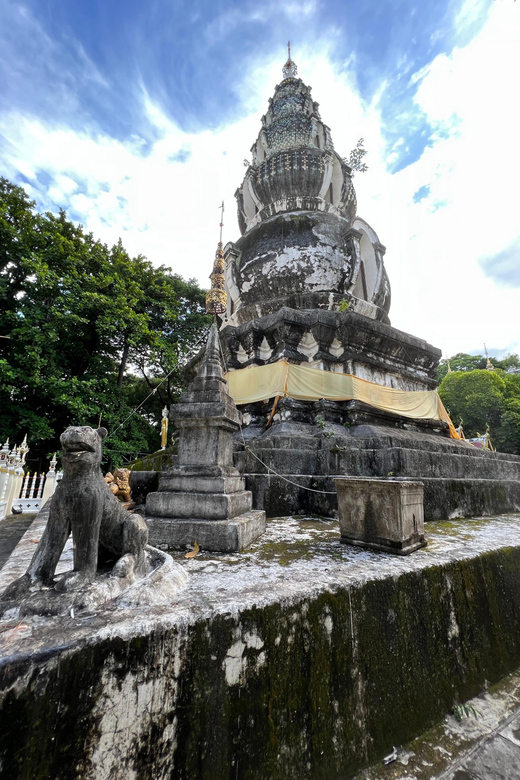
The tour is described as relatively easy to walk, but easy does not mean effortless. Four temple stops and several hours on your feet can add up, particularly if you are not used to Chiang Mai’s heat. A participant specifically cautioned that the warmth can be demanding, so take that seriously when deciding whether a morning of walking suits you.
Bring an umbrella, drinks, and cash. Comfortable shoes and modest clothing are also sensible for a temple visit, though only an umbrella, drinks, and cash are specifically listed as items to bring. Short skirts are not allowed, and the tour prohibits smoking indoors, alcohol and drugs, drones, pets, and sharp objects, among other restrictions.
The tour is not suitable for wheelchair users, children under 2, babies under 1, or pregnant women. Electric wheelchairs are also not allowed. If mobility, pregnancy, or the length of the walk is a concern, check the details before booking rather than assuming the route can be adjusted.
Is $31 good value for this Chiang Mai walk?
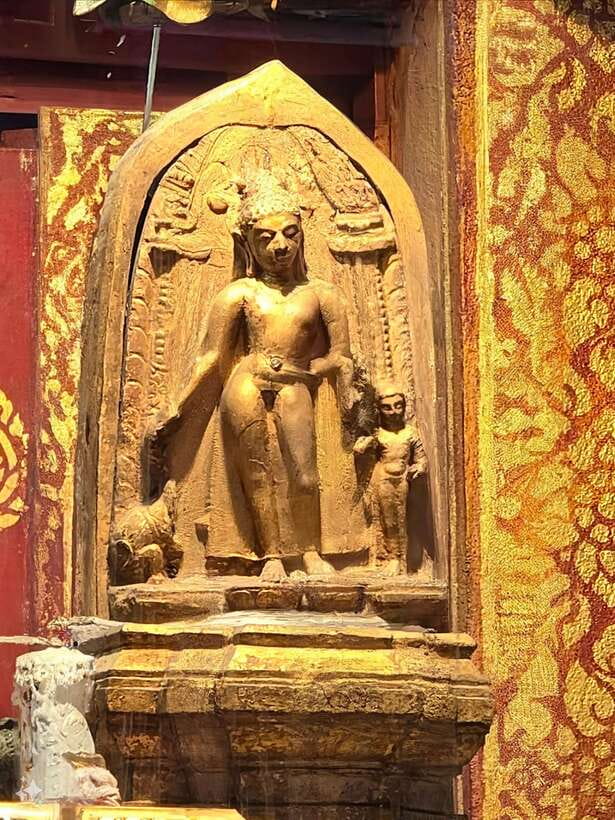
At $31 per person, the price buys a guided walking tour of four temples, with the potential for a private or small-group format. Food and additional drinks are not included, so budget for your own refreshments. Hotel pickup and drop-off are included only if you select the private option.
The value depends on what you want from a temple visit. If you only want to see buildings and take photos, you could visit temples independently and save the tour cost. If you want someone to explain the local history, Buddhist beliefs, temple etiquette, and the lives of monks, the guide is the part that makes the fee worthwhile.
There is also an environmental focus: the tour prioritizes offsetting carbon emissions and reducing its environmental impact. No specific offset method or amount is provided, so treat this as a stated priority rather than a measurable claim about the tour’s footprint.
Free cancellation is available up to 24 hours in advance for a full refund, and a reserve-now, pay-later option is offered. Availability and starting times can vary, so check the date you want before making plans.
Who should book this tour?
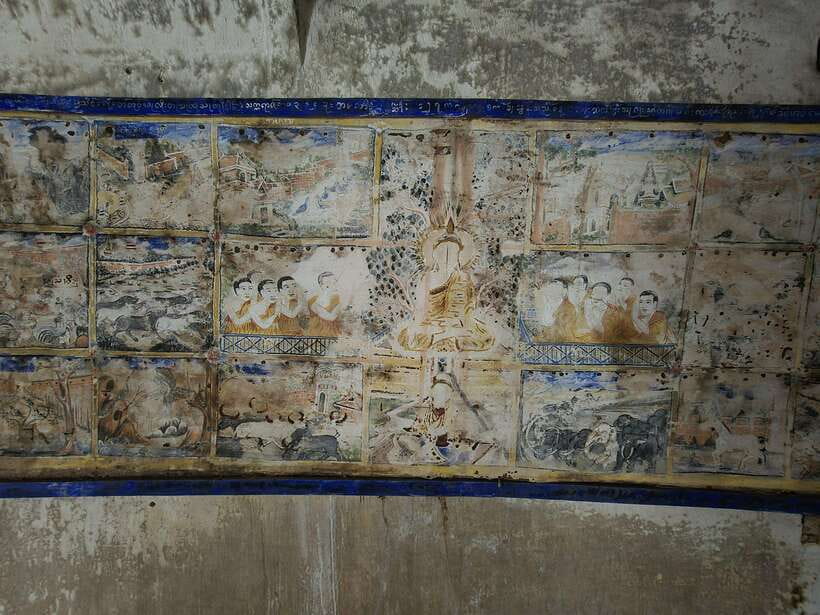
I would choose this walk if you want more than a quick look inside a temple. It suits curious visitors who like asking questions, want a clearer introduction to Buddhism, or are interested in Chiang Mai’s Shan and Burmese connections. It can also work as a stand-alone tour or as a second walking tour for someone who wants to spend a full day learning about the city’s temples.
It is less suitable if you dislike walking, struggle in heat, need step-free access, or prefer a fast-paced sightseeing day with transportation between every stop. The schedule starts early, the end time is not specified, and the walk can take hours, so keep your plans flexible.
My practical advice: book it for the guide and the four-temple story, not because you expect a perfectly timed list of photo stops. Bring water, dress for temple visits, and ask questions. If that sounds like your kind of morning, $31 is a fair price for a more thoughtful look at Chiang Mai.
FAQ
How many temples does the tour visit?
The walk visits four temples: Wat Chiang Man, Wat Chiang Yuen, Wat Pa Pao, and Wat Ku Tao.
What time does the tour start?
The stated start time is 8:20 am. Check availability for the date you want, as starting times may vary.
How much does the tour cost?
The listed price is $31 per person.
Which languages are available?
Live guides are available in English, Chinese, and Thai.
Is hotel pickup included?
Hotel pickup and drop-off are included if you select the private option. They are not listed as included for other options.
What should I bring?
Bring an umbrella, drinks, and cash. The tour involves walking, so comfortable shoes are also a practical choice.
Are food and drinks included?
Food and additional drinks are not included.
Can I cancel the tour for a refund?
Yes. You can cancel up to 24 hours in advance for a full refund.
Newest tours in Chiang Mai
- 6 Days Golden Triangle Loop from Chiang Mai★ 5.0 · 8 reviews
- Walk With Monks Collecting Alms(meeting point maybe change)★ 4.9 · 8 reviews
- Workshop Making Herbal ball & herbal inhaler★ 4.3 · 3 reviews
- Zipline+Sticky waterfall+Long Neck Village Private Tour★ 5.0 · 22 reviews
- Chiang Mai Zipline White Water Rafting and Elephant Sanctuary★ 4.0 · 11 reviews
- Full Day Yoga, Meditation, and Thai Cultural Immersion in Chiang Mai★ 5.0 · 3 reviews
- 2 Hours Wow hatcha lanna package – Free transportation★ 5.0 · 31 reviews
- Trek to a Jungle Waterfall★ 5.0 · 14 reviews
Chiang Mai Temple Tours, compared.
White, Red/Black & Blue Temples Tour with Lunch
Read our review →
Doi Suthep and Wat Umong Enchanting Evening Tour
Read our review →
Doi Suthep, Wat Umong, and Pha Lat Sunrise Tour
Read our review →


Spiritual Sunrise Wat Doi Suthep, Pha Lat, Alms & Meditation
Read our review →
Half Day Morning Wat Pha Lat & Wat Phra That Doi Suthep Tour
Read our review →
Browse the lists this tour appears in